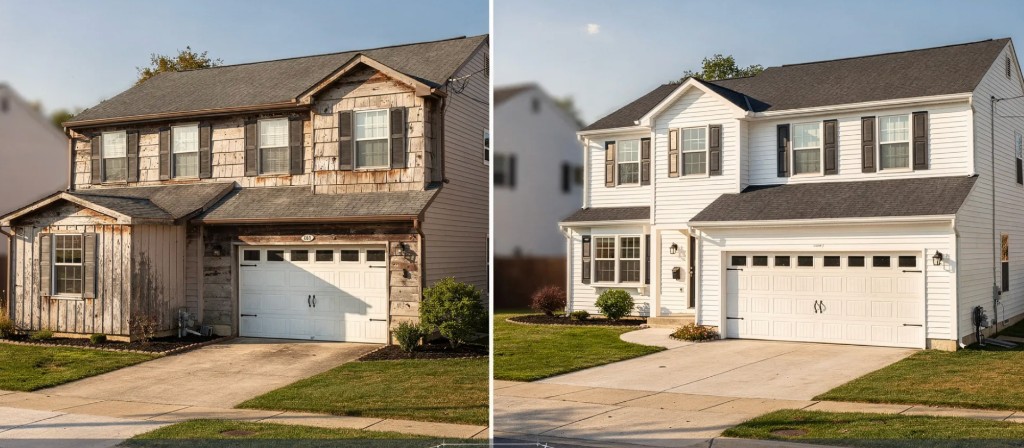
Homeowner planning
Expanding your garage or building new in New Jersey comes down to structure health, setbacks, and how you actually use the space.
In New Jersey, expand your existing garage if the structure is sound, setbacks allow a modest bump-out or widen, and you need a cost-friendly, faster fix. Tear down and build new when the slab is failing, headroom is poor, or you want a second story or detached layout. Permits, zoning, and storm resilience often tip the scale.
9 min read
$18K–$45K
Bump-out/widen
Modest expansion ballpark
$55K–$140K+
New build
1- to 2-car detached
3–6 wks
Expansion build
After permits
7 steps
Decision path
Zoning-first framework
Key takeaway
In New Jersey, expand your existing garage if the structure is sound, setbacks allow a modest bump-out or widen, and you need a cost-friendly, faster fix.
What you will learn from this guide
- A fast decision framework to choose expand vs rebuild
- Typical NJ costs, permits, and zoning rules that matter
- When bump-out or widen options outperform a full tear-down
- When a detached garage is the smarter long-term move
- Timelines, disruption level, and resale considerations
- How to prep for a quote and avoid common pitfalls
Start here: a 10-minute decision framework NJ pros use
Think of your choice like a fork in the road: one path patches and optimizes; the other resets and future-proofs. NJ Vinyl Siding uses this framework on every garage walkthrough across Bergen, Passaic, Essex, and nearby counties.
If your slab is cracked beyond repair, your walls are racked, or the roof is sagging, a new build often costs less than deep structural surgery. If you just need 2 to 4 more feet for doors to open, storage, or EV charging, a bump-out or widen can be a surgical win.
If your town setbacks or lot coverage block expansion, a detached garage tucked within code-compliant footprints can be the workaround. If you want a second story studio, higher pitch for storage, or a modern two-car layout, a rebuild is usually cleaner and code-friendlier.
- Photograph and measure the existing garage inside and out
- Pull your survey; note setbacks, easements, flood zones, and lot coverage
- Walk the slab: look for heaving, major spalls, or chronic water intrusion
- Peek at framing: rot at sill plates, termite trails, or out-of-plumb walls
- Call zoning to confirm what is permitted by right vs variance
- Price both paths to within the same scope so you compare apples to apples
- Choose based on structural health, code fit, budget, and how you actually live
When expanding your garage makes the most sense in NJ
Picture this: a Maplewood homeowner with a tight one-car garage cannot open car doors without kissing the drywall. A 3-foot side bump-out fixes daily pain without redoing the slab or roofline. Cost and timeline stay sane; curb appeal improves with new siding and a matching door coordinated through our trusted supplier.
The slab is sound and the roof is not sagging. You need a modest bump-out, widening, or a deeper bay. Eighteen to twenty-four inches can change everything. Your town setbacks allow a small addition without a variance. You want to add storage walls, a workbench, or EV charger space quickly. You are refreshing exterior finishes anyway, so new cladding unifies old and new.
- Bump-out the back 2 to 4 feet to fit longer SUVs
- Widen the opening to a modern 8 to 9 ft door for easier parking
- Raise the header for taller vehicles if your wall height allows
- Add insulated walls and a mini-split for year-round workshop use
When tear-down and a new attached or detached garage wins
Now imagine a 1950s garage in Edison with a sinking slab, termite damage at the sill, and chronic water pooling. By the time you fix the foundation, sister rotten studs, and reframe the roof, you are flirting with the cost of new. Going fresh gives you better layout, energy performance, and storm resilience.
Structural triage exceeding 40 to 50 percent of new build cost is a common tipping point. You want a true two-car footprint, second story, or loft storage. The current location traps water and relocating to higher ground helps. You are in a flood-prone area or along the Shore where modern codes demand higher wind and snow-load performance. Long-term resale matters and buyers expect a clean, modern garage.
Detached garage advantages in NJ include flexibility with placement to satisfy setbacks, utilities, and drainage. Less disruption to the home during construction. Ideal for hobby spaces or noise isolation. Often easier to permit than adding large mass to the house when lot coverage is tight. Read the attached vs detached garage guide if you are still weighing footprint.
Permits, zoning, and costs: the Jersey-specific fine print
New Jersey has its quirks, and they matter. Towns commonly limit side-yard additions. A sheer 3 to 5 ft side setback can block a widen but allow a rear bump-out. Detached builds can slip into compliant zones more easily.
Do you need a variance to widen a garage in NJ? Sometimes. If your design encroaches setbacks or lot coverage, yes. A by-right plan avoids hearings and saves months. Along coastal and river towns, flood elevation and wind ratings can steer you toward stronger framing and better doors. Sometimes new-build is simply smarter.
Gas, electric, and sewer runs add cost fast. Detached builds may need a separate trench. Plan it early. NJ Vinyl Siding prepares documents, submits to your local office, and manages inspections. Overhead sectional garage doors are coordinated through a trusted supplier. We are not a retail door store.
- Bump-out or widen (modest): roughly $18,000 to $45,000 depending on slab work, roofing tie-ins, and siding match
- Major expansion with structure upgrades: roughly $45,000 to $85,000
- New detached one- to two-car garage: roughly $55,000 to $140,000+ based on size, finishes, and utilities
- Premium upgrades: insulated doors, windows, vinyl or Hardie cladding, storage systems, lofts can add 10 to 30 percent
- Pro tip: ensure both options include the same finishes so you compare apples to apples
Timeline and disruption: what to expect in real life
Is it faster to extend or rebuild in NJ? Small expansions often wrap in 3 to 6 weeks once permitted. A full new build runs 6 to 12+ weeks. Simple expansions may permit in 2 to 6 weeks. Projects needing variances can stretch to several months.
Living through it: expansion is like remodeling a closet, messy but contained. New builds feel cleaner because old problems do not surprise you mid-stream. Winter footings, frost lines, and rain delays can nudge schedules. Plan shoulder seasons for best momentum. NJ Vinyl Siding builds the schedule into your written proposal.
- Permitting: 2 to 6 weeks for straightforward expansions in many suburbs
- Expansion build: 3 to 6 weeks after permits for modest bump-outs and widens
- New build: 6 to 12+ weeks including foundation, framing, siding, roofing, and door coordination
- Variance projects: add months for hearings and revised drawings
Resale, ROI, and the daily joy factor
Ask yourself: what will make your mornings easier a year from now? A garage you glide into with no door dings and no Tetris with trash cans is not just resale. It is daily joy.
Expansion ROI is strong when solving tight, specific pain points. New build ROI is strong when creating a true two-car or adding usable loft space. Buyers notice. Consistent siding, trim, and roofing across house and garage quietly elevates value. NJ Vinyl Siding matches vinyl profiles and trim packages so the garage reads as part of the property, not an afterthought.
Common questions
Expand vs rebuild garage FAQ
Expand when the slab and framing are sound, setbacks allow a modest bump-out or widen, and you need a faster, cost-friendly fix. Tear down and build new when the slab is failing, structural repairs exceed 40 to 50 percent of new build cost, or you want a two-car footprint, second story, or detached layout. NJ Vinyl Siding walks your lot and compares both paths with line-item proposals.
Compare expand and rebuild options with a clear, no-pressure plan
Expanding is ideal when your structure is healthy and a small change solves a big irritation. Rebuilding shines when you need space, strength, or a fresh start that meets modern NJ codes. NJ Vinyl Siding walks your lot, checks setbacks, and helps you compare both paths side by side. Request a photo quote for a line-item proposal tailored to your town rules.