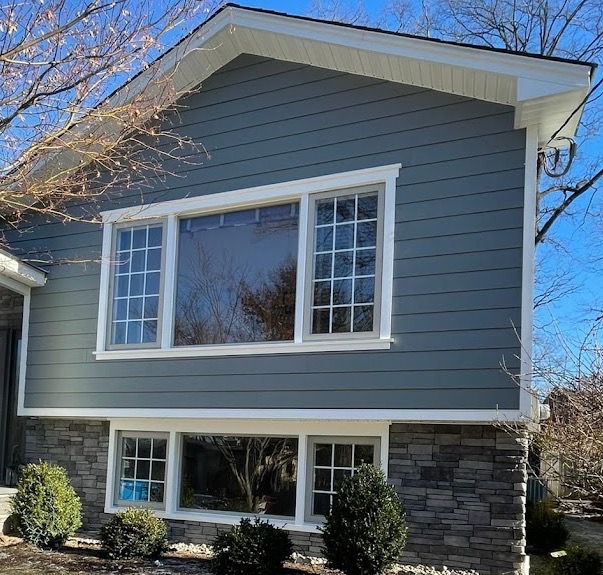
Seasonal planning
Fall and winter vinyl siding guide for New Jersey homes (2026).
Fall is one of the best times to install or upgrade vinyl siding in New Jersey. Cooler, drier weather shortens install time, reduces thermal expansion while fastening, and gets your home sealed before winter storms. You can also install vinyl siding in a New Jersey winter when the forecast is dry and daytime temps sit roughly in the mid-30s or warmer, and when your crew uses cold-weather techniques that prevent cracking, buckling, and sealant failure.
12 min read
Sept–Nov
Peak fall window
Best install weather
Mid-30s+
Winter cutoff
Daytime install temps
Free
On-site inspection
Written estimate
7
Counties
North & Central NJ
Key takeaway
Fall is one of the best times to install or upgrade vinyl siding in New Jersey. Cooler, drier weather shortens install time, reduces thermal expansion while fastening, and gets your home sealed before winter storms. Winter installs work when daytime temps stay in the mid-30s or warmer on dry days with proper cold-weather fastening and expansion gaps.
Why fall works in New Jersey
New Jersey fall weather is a sweet spot for siding work. Cooler air minimizes thermal expansion during nailing, helping panels hang true. Shorter install windows and better adhesion for tapes and flashings mean crews can close each elevation before the next storm.
- Drier days and moderate temps: fewer rain delays and less humidity behind the wall system
- Easier fastening: panels set with correct nail exposure and expansion gaps
- Faster staging and wrap: housewrap and flashing tapes bond well in cool, dry air
- Head start on energy savings: tighter wrap, flashings, and optional insulated vinyl before the first hard freeze
- Priority scheduling: fall calendars fill quickly; early bookings secure dates before nor'easters
Fall weather risks to plan around in NJ
Build weather flex into your schedule. These are the fall conditions we plan for on North and Central Jersey jobs.
- Nor'easter season (Oct–Nov): build 1–2 weather flex days into the schedule; stage materials under cover
- Leaf and gutter clogging: overflow can wet sheathing; address gutters while we are on site
- Early freeze-thaw: night freezes after warm afternoons expose brittle builder-grade panels
- Shorter daylight: crews start earlier; discuss quiet hours if you work from home
- Nor'easter prep guide: /guides/noreaster-wind-rain-siding-nj
Free fall siding inspection checklist (NJ)
Use this to decide clean vs repair vs replace. Walk your home on a dry day from ground level. Do not climb ladders. We verify each item during your free on-site inspection.
If two or more items appear across multiple elevations, a repair-only approach may not hold through winter weather.
- Panels and trim: hairline cracks, chips, or holes on north and west walls
- Loose panels that rattle in wind; popped nails; warped or buckled courses
- Faded or chalky color; widespread oxidation on sun-facing walls
- Corner posts, J-channel, and starter strip separations
- Water management: stains or soft spots under windows and doors; missing kick-out flashing at roof-to-wall joints
- Gutter overflow marks or ice dam backsplash on gables and dormers
- Under the skin: spongy sheathing when pressed; musty odor near exterior walls
- Pest tunnels at sill plates or soffits
- Attic clues: sheathing frost in cold snaps; stained insulation at eaves
- Basement clues: rim joist drafts; daylight where siding meets foundation
- Windows and penetrations: failed caulk lines; unflashed hose bibs, vents, and light fixtures
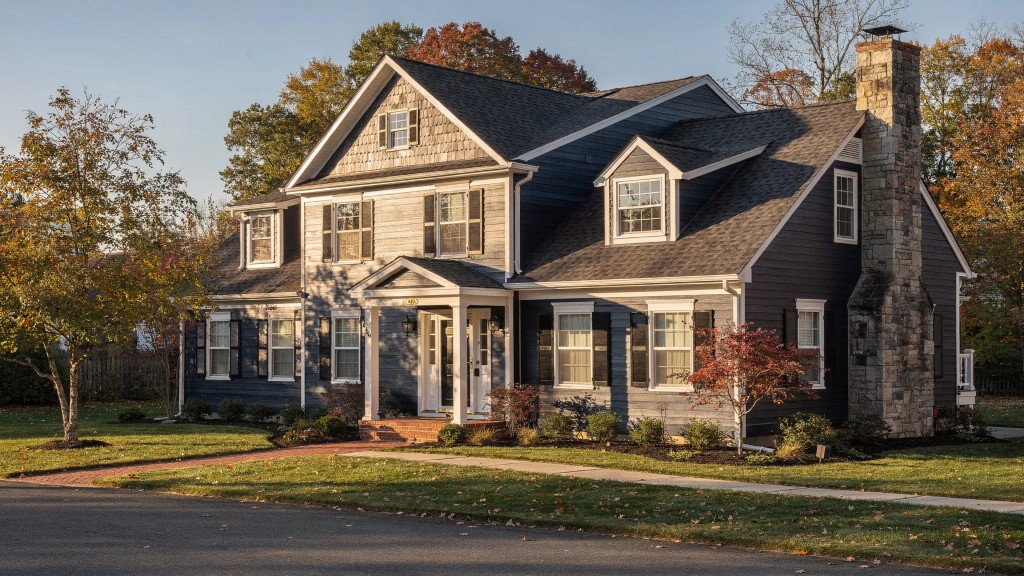
Clean vs repair vs replace vs insulated vinyl
Start small when it makes sense. Exact pricing varies by home size, profile, and scope. We provide a written fixed price after an on-site walk.
- Clean: light algae, pollen, or dust with no cracks or leaks; low-pressure wash only, never force water up behind laps
- Repair: isolated impact damage, a few loose courses, intact underlayment; see /guides/siding-repair-nj
- Replace: widespread brittleness, UV chalking, blow-offs, water intrusion, or multiple failed repairs; see /guides/when-to-replace-siding
- Cost overview: /guides/siding-cost-nj
- Insulated upgrade: foam-backed panels add rigidity and modest R-value (often about R-2 to R-2.7 depending on profile)
- Benefits in NJ: calmer walls on windy days, reduced drafts, flatter appearance over uneven sheathing
- Insulated vinyl guide: /guides/insulated-vinyl-siding
- Bundle roof or gutters when walls are open: /guides/siding-and-roofing-together and /guides/gutters-with-siding-replacement
What NJ winters do to builder-grade vinyl
Winter does not ruin properly installed vinyl, but thin, low-end panels show their limits when the mercury drops.
- Brittleness in cold: lower-grade panels can crack near nail slots when temps drop
- Wind fatigue: repeated high-wind events loosen hems and unlock laps
- Freeze-thaw stress: water behind siding expands and contracts, stressing seams and flashings
- Ice dam backsplash: meltwater from roofs can run behind siding at roof-wall intersections
- Salt and grime: more visible on lighter colors; gentle cleaning preserves finish
- Freeze-thaw guide: /guides/freeze-thaw-siding-damage-nj
- Nor'easter guide: /guides/noreaster-wind-rain-siding-nj
Can you install vinyl siding in a New Jersey winter?
Yes, with planning. January can work when daytime highs stay in the mid-30s or warmer, the substrate is dry, and crews use cold-rated materials and proper fastening. Winter calendars often have select openings if panels are loose or leaking now.
- Safe window: daytime highs in the mid-30s or warmer for most of the workday
- Dry forecast and manageable wind chills; sheathing unfrozen
- Cold-rated sealants, tapes, and housewrap per manufacturer specs
- Panels acclimated; careful fastening to prevent cracks (see cold-weather techniques below)
- We pause for storms or deep freezes and resume in the next safe window
When not to install (and when to wait)
We will pause, protect the home with temporary weatherproofing, and resume in the next safe window if conditions will hurt the job.
- Consecutive days with highs in the 20s or below and strong winds
- Saturated or frozen sheathing that will not dry during daylight
- Nor'easter or heavy snow in the forecast during tear-off phase
- Complex window or roof tie-ins relying on adhesives that need warmer cure temps
- If your home is stable and issues are cosmetic, we may advise waiting for an early spring window
- If you have leaks, soft trim, or wind-loose courses, we map a safe late fall or winter plan
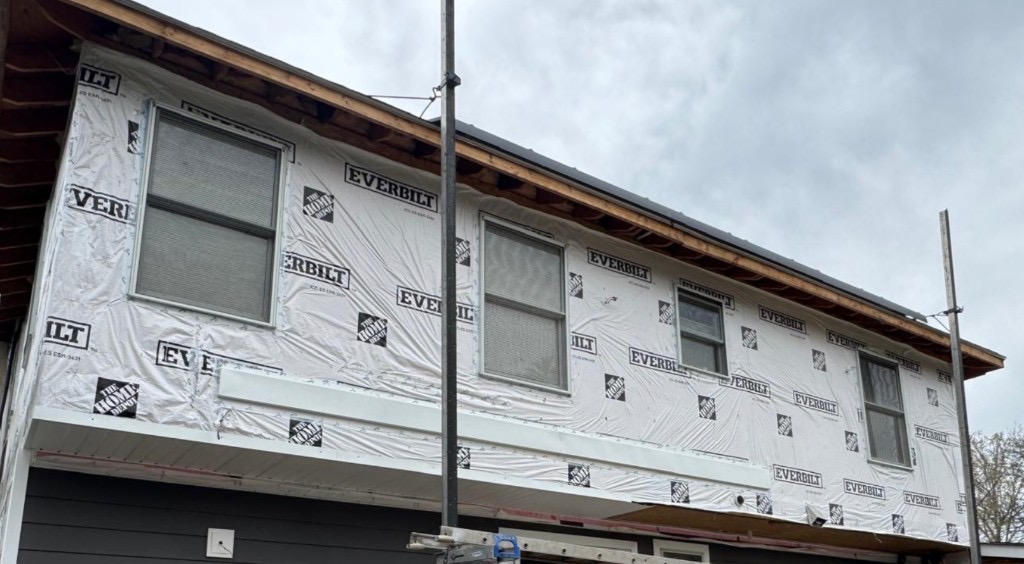
Cold-weather techniques our crews use
These are the details that separate a winter job that lasts from one that cracks in the next cold snap.
- Storage: keep panels covered and out of wind; warm storage when possible; cut in warmer areas
- Expansion clearance: leave about 3/8 inch gap at ends in cold weather (vs about 1/4 inch in milder temps) for spring expansion
- Fastening: nail through the center of the slot; never overdrive; leave roughly 1/32 inch clearance so panels float
- Adjust pneumatic pressure for colder temps; hand-nail fragile areas near corners
- Integrate housewrap with window and door flashings; use cold-rated tapes and sealants
- Never caulk weep paths; walls must drain
- Stage only what we can weatherproof the same day; secure nightly with wind checks
Permits, HOA approvals, and timelines
Many New Jersey municipalities require a building permit for full siding replacement. We handle paperwork, drawings, and inspection scheduling. NJ Vinyl Siding and Home Improvements holds active New Jersey HIC registration and carries liability insurance. We show documentation at your inspection and never publish license numbers we have not confirmed for public display.
- Typical permit issuance: 3–10 business days depending on town volume
- Historic districts and HOAs: we provide spec sheets, samples, and color info for approvals
- Jobsite notices and inspection coordination included when permits apply
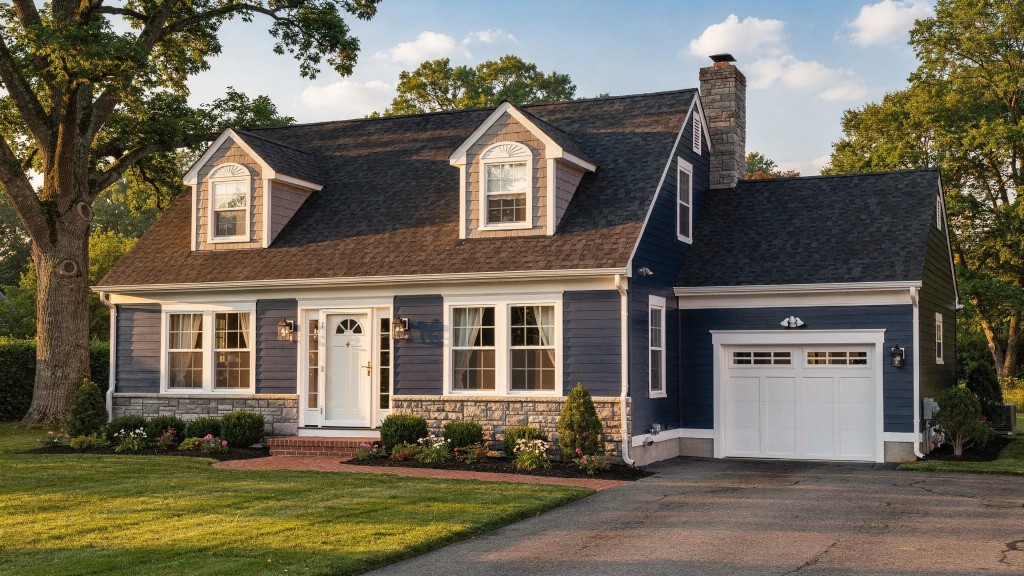
Service area and scheduling
NJ Vinyl Siding and Home Improvements is based in Bergenfield. We serve Bergen, Essex, Union, Morris, Passaic, Hudson, and Middlesex counties weekly, including Paramus, Teaneck, Ridgewood, Hackensack, Montclair, West Orange, Summit, Union, Elizabeth, Morristown, Parsippany, Wayne, Clifton, Hoboken, Jersey City, Edison, Woodbridge, and New Brunswick.
Fall slots fill first; winter has select off-peak openings. Ask about next-available dates on your walk.
Practical homeowner tips before first frost
- Book your free on-site fall inspection early at /contact
- Clear 3–5 feet around walls; trim shrubs to protect panels and speed staging
- Ask about wind ratings and colorfast warranties for coastal wind and winter sun
- Roof plus siding sequencing: /guides/siding-and-roofing-together
- Save warranty docs and written scope for future claims or insurance
- Clear leaves from J-channels; pull mulch back from the bottom course
- Check downspout extensions before the first hard freeze
Fall and winter value bundles
Ask about current availability during your on-site estimate. Bundles are scoped in writing with no surprise add-ons.
- Fall Starter Package: housewrap upgrade and flashing tune-ups with any full re-siding
- Winter Readiness Package: gutter tune-up and kick-out flashing add-ons for ice-dam-prone areas
- Roof + Siding Coordination: one crew, one timeline, weather-tight sequencing
- Gutters with siding: /guides/gutters-with-siding-replacement
Common questions
Fall and winter vinyl siding FAQ
Lower-grade vinyl gets brittle below freezing and can crack at nail slots or when over-nailed. Quality panels plus proper cold-weather fastening (center slot, light hand, correct gaps) prevent cracking. NJ Vinyl Siding adjusts technique for winter installs when daytime temps allow.
Keep reading
All guides (68)Schedule your free on-site fall/winter siding inspection
Get a written estimate before the first hard freeze. Call or text (973) 487-3704, or request an estimate at /contact. Hablo Español: visit /es.