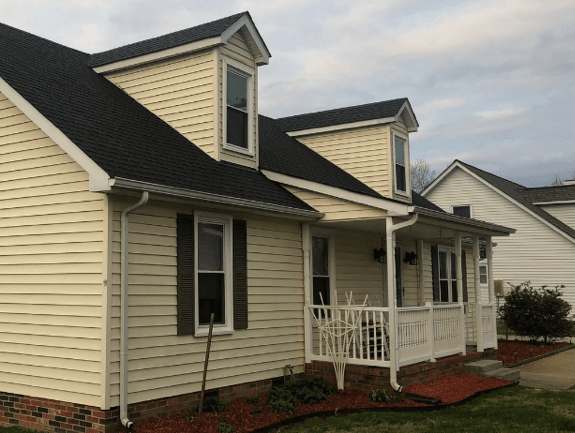
Winter damage
Freeze-thaw vinyl siding damage in NJ: repair vs replacement guide.
North Jersey winters swing from thaw to hard freeze in a single week. Vinyl panels expand, contract, and pull at nails. Older 1960s-1980s siding on split-levels and ranches shows cracks, buckling, and drafts first. This guide helps you decide between targeted repair and full replacement with insulated vinyl built for cold weather.
9 min read
Repair vs replace
Decision guide
Patch or tear-off
Insulated vinyl
Cold climate
Foam-backed panels
Dark colors
Expansion risk
Thermal movement
10-min check
Homeowner scan
Before you call
Key takeaway
If you see a few small cracks or loose panels, targeted siding repair is usually enough for winter damage. If you have widespread cracking, buckling, moisture intrusion, or drafts across walls, replacing with insulated vinyl siding designed for cold NJ winters delivers better long-term performance. Dark siding colors expand and contract more; correct installation spacing and product choice are critical.
Who this guide is for
This guide is for North and Central NJ homeowners with vinyl or aluminum siding from the 1960s through 1980s who notice new cracks, rattling panels, or drafts after winter. Split-levels, raised ranches, and colonials in Bergen, Passaic, and Morris counties see the worst freeze-thaw cycles along north-facing walls.
NJ Vinyl Siding helps you decide whether a targeted repair fixes the problem or whether repeated winter damage means full replacement with insulated vinyl and correct expansion gaps.
- Owners of 1960s-1980s vinyl or aluminum-sided homes
- Homeowners comparing spot repair to full elevation replacement
- Buyers who found siding damage on inspection after a hard winter
- Landlords securing walls before spring lease turnover
Common symptoms after NJ winters
Freeze-thaw damage rarely shows up evenly. South and west walls may look fine while north walls take the hit from sun-thaw followed by overnight freeze.
Walk the perimeter after the last hard freeze of the season. Note which walls have symptoms and whether damage clusters around windows, corners, or long unbroken runs.
- Hairline cracks or splits at panel locks and nail lines
- Buckling or waviness on long wall runs, especially dark colors
- Rattling or loose panels that move when you press lightly
- Water stains on interior drywall near windows or corners
- Drafts along exterior walls on north and east elevations
- Chalky fading or brittle J-channel at openings
Why freeze-thaw damages vinyl siding in NJ
Vinyl expands in afternoon sun and contracts when temperatures drop below freezing at night. North Jersey can swing 40 degrees or more in a single day during late winter.
Older thin-gauge panels, tight nailing, and missing expansion gaps turn normal movement into cracked locks and popped nails. Moisture that enters through gaps freezes and widens the opening on the next cycle.
- Daily temperature swings from thaw to hard freeze stress panel locks
- Panels nailed too tight cannot slide in the nailing zone
- Moisture behind failed trim freezes and pushes panels outward
- 1960s-1980s aluminum and early vinyl lack modern expansion tolerances
- North-facing walls stay cold longer and see more freeze cycles per week
- Deeper envelope topics: /guides/siding-insulation-moisture-nj
10-minute homeowner diagnosis
You do not need a ladder to spot most winter siding problems. A ground-level walk with a phone camera gives NJ Vinyl Siding enough to route you to repair or replacement.
Complete this quick scan before calling. Mark problem walls on a simple sketch so we know which elevations to inspect on site.
- Visual sweep: walk all four sides, note cracks, gaps, buckling, and stain lines
- Panel movement test: press mid-panel gently; movement at nails or locks is a red flag
- Flashing and trim check: look for separated J-channel, lifted cap, and gaps at corners
- Moisture red flags: interior stains, musty smell near exterior walls, soft trim wood
- Draft detection: hold hand near outlets and window edges on a windy day
- Photo log: wide shots of each wall plus close-ups of every defect for your quote request
Repair vs replacement: quick decision guide
Winter damage on one wall plane is often repairable. Damage across multiple walls with moisture behind the panels usually points to replacement.
NJ Vinyl Siding quotes repair when the substrate is dry and the profile is still available. We recommend tear-off and insulated vinyl when patch costs would repeat every few winters.
- Choose repair when: 1-4 panels cracked or loose, dry sheathing, intact wrap, matching profile in stock
- Choose repair when: damage is storm-related on an otherwise sound wall
- Choose repair when: budget is tight and one elevation needs one more season before full job
- Choose replacement when: widespread cracking or buckling on more than one wall
- Choose replacement when: interior stains, soft sheathing, or repeat leaks at same openings
- Choose replacement when: original 1970s aluminum or thin vinyl with no expansion gaps
- Storm and wind overlap: /guides/noreaster-wind-rain-siding-nj
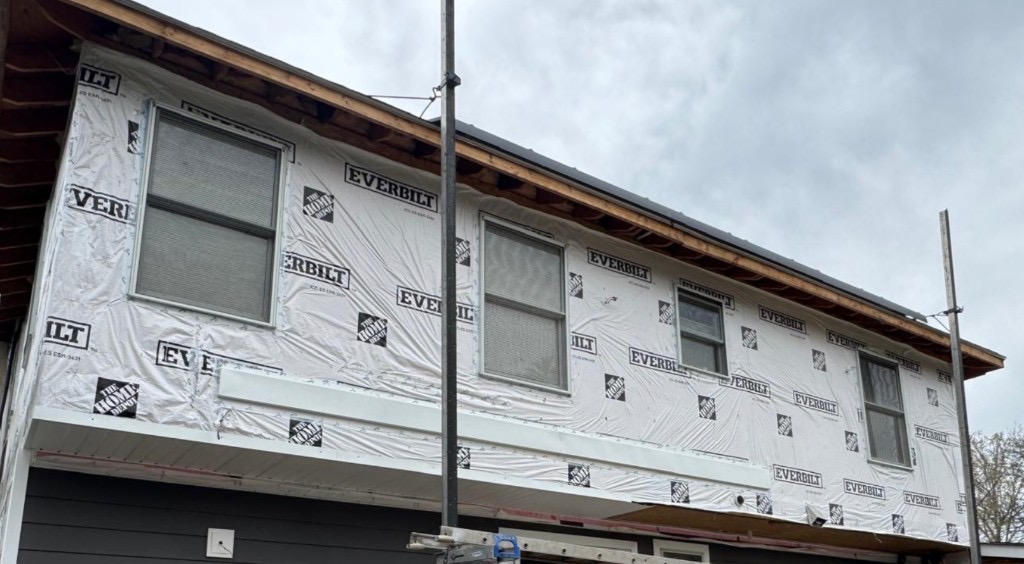
Best replacement choice for cold climates: insulated vinyl siding
Standard vinyl handles NJ winters when installed with correct nailing and expansion gaps. Insulated vinyl adds foam backing that stiffens the panel, adds R-value at the wall line, and reduces drafts on 1960s walls with minimal cavity insulation.
NJ Vinyl Siding installs CertainTeed, Prodigy, and Crane insulated lines on full tear-off jobs where comfort and panel stiffness matter on north-facing elevations.
- Foam backing adds R-2 to R-5 at the wall line and reduces thermal bridging
- Stiffer panels resist waviness on long runs after temperature swings
- Better impact resistance against winter branch strikes and hail
- Pairs with housewrap and flashing upgrades during tear-off
- Full insulated vinyl guide: /guides/insulated-vinyl-siding
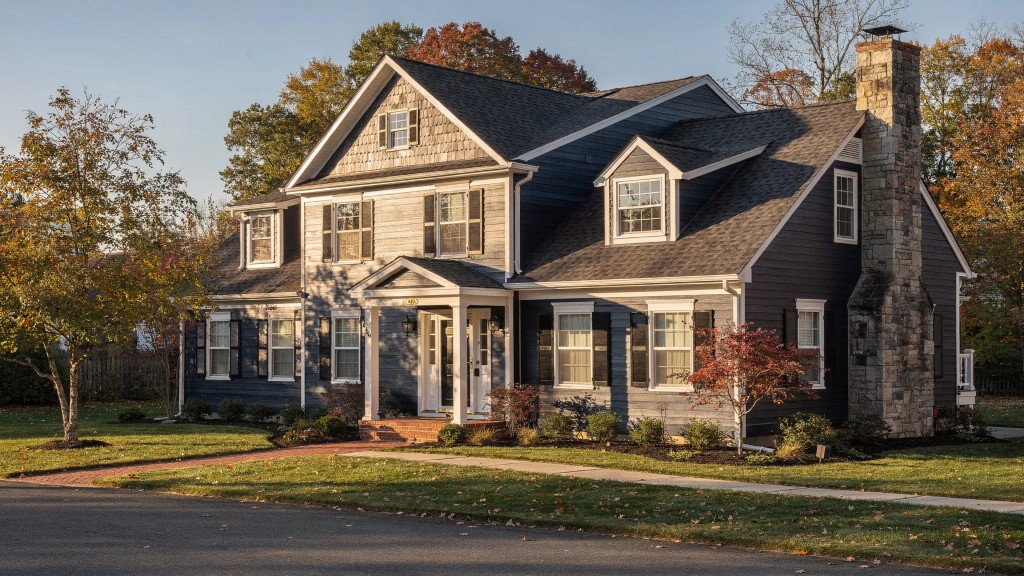
Dark colors and siding expansion in NJ
Dark siding absorbs more solar heat than light colors. Panels on south and west walls expand farther during sunny winter afternoons, then contract hard after sunset freeze.
Buckling on dark walls is often an install spacing issue, not a bad panel. NJ Vinyl Siding specs manufacturer expansion gaps and avoids face-nailing that locks panels in place.
- Dark colors can run 30-40 degrees hotter than air temp in direct winter sun
- Long unbroken runs need correct starter, J-channel, and end-cap spacing
- Never nail through the face of the panel outside the nailing zone
- Use manufacturer-approved dark-color profiles rated for your climate zone
- Color trends and HOA palettes: /guides/nj-siding-colors-curb-appeal
Repair options
Targeted repair keeps a sound wall in service when damage is limited and the substrate is dry. NJ Vinyl Siding matches profile and color, re-nails to VSI spec, and checks trim at the same opening.
Photo quotes start on the repair guide path when damage is straightforward. See /guides/siding-repair-nj for photo quote details and minimums.
- Panel swap: remove damaged course, match profile, lock into existing run
- Patch kits: small crack fills when panel is otherwise sound (cosmetic only)
- Re-fastening: replace popped nails with correct length in the nailing zone
- Seal and flash: caulk and head flashing at openings without hiding drainage paths
- Aluminum capping repair at windows on legacy aluminum-sided ranches
- Repair photo quotes: /guides/siding-repair-nj
Replacement package
Full replacement after repeated winter damage includes tear-off, sheathing inspection, new WRB, insulated vinyl, and trim built for freeze-thaw cycles.
NJ Vinyl Siding documents sheathing condition before panels go on and sequences window flashing with siding on multi-opening walls.
- Full tear-off of failing vinyl or aluminum field siding
- Housewrap with taped seams and pan flashing at every opening
- Insulated vinyl panels with correct expansion gaps on all elevations
- PVC or aluminum trim at corners, windows, and doors
- Dark-color profiles specified when curb appeal calls for navy, charcoal, or forest green
- Replacement cost planning: /guides/siding-cost-nj
- Moisture and insulation details: /guides/siding-insulation-moisture-nj
Repair and replacement pricing in NJ
Winter damage quotes depend on wall count, access, substrate condition, and whether the profile is still in production. NJ Vinyl Siding gives a written price after photos or an on-site walk.
We do not publish one-size-fits-all totals for freeze-thaw jobs because a three-panel repair and a full-house tear-off share symptoms but not scope.
- Targeted repair: see photo quote minimums on /guides/siding-repair-nj
- Full replacement: see installed ranges on /guides/siding-cost-nj
- Rot or multi-wall moisture: on-site visit required before final price
- Insurance claims for storm damage: document with dated photos before temporary repairs
- Free on-site assessment: /contact or (973) 487-3704
Common questions
Freeze-thaw siding FAQ
Yes, when temperatures stay above roughly 40°F for caulk cure and panels are flexible enough to lock without cracking. NJ Vinyl Siding schedules winter repairs for loose panels and storm patches when safe. Full replacement is often planned for spring or fall when longer work days and stable temps help wrap and caulk perform best.
Schedule a free on-site siding assessment
Call or text (973) 487-3704, or request an estimate at /contact. NJ Vinyl Siding inspects winter damage on vinyl and aluminum walls across Bergen, Passaic, Essex, Union, Morris, and Hudson counties.