

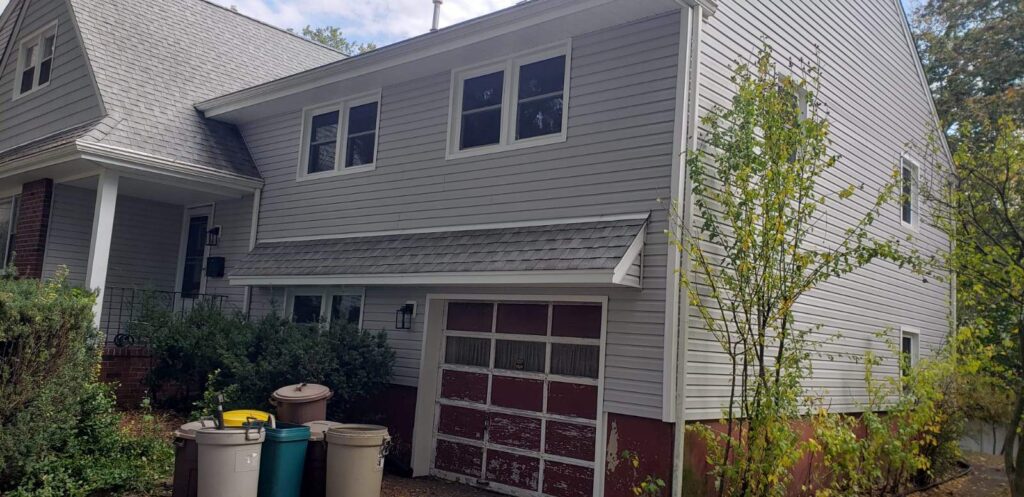
Maintaining your vinyl siding throughout the year is essential for longevity and energy efficiency. Many homeowners worry about using improper products or causing damage, but maintaining vinyl siding is straightforward with the right approach. In this guide, we will cover how to maintain your vinyl siding during New Jersey winters by preparing, protecting, and repairing your siding to handle snow, ice, and freezing temperatures effectively. Proper maintenance can contribute to better insulation and lower energy bills, making your home more comfortable and cost-effective.
Key Takeaways
- Regular maintenance, including cleaning, inspecting, and sealing, is crucial for preserving vinyl siding during winter. Professional installation is also essential for long-term durability, ensuring that the siding can withstand seasonal changes.
- Using safe snow removal techniques and appropriate de-icing products can prevent damage to vinyl siding from ice and snow. The stress from winter weather conditions, such as freeze-thaw cycles, can cause moisture infiltration, leading to cracks and damage.
- Professional assistance may be necessary for extensive damage, and timely inspections can help identify issues before they become major problems.
Preparing Vinyl Siding for Winter
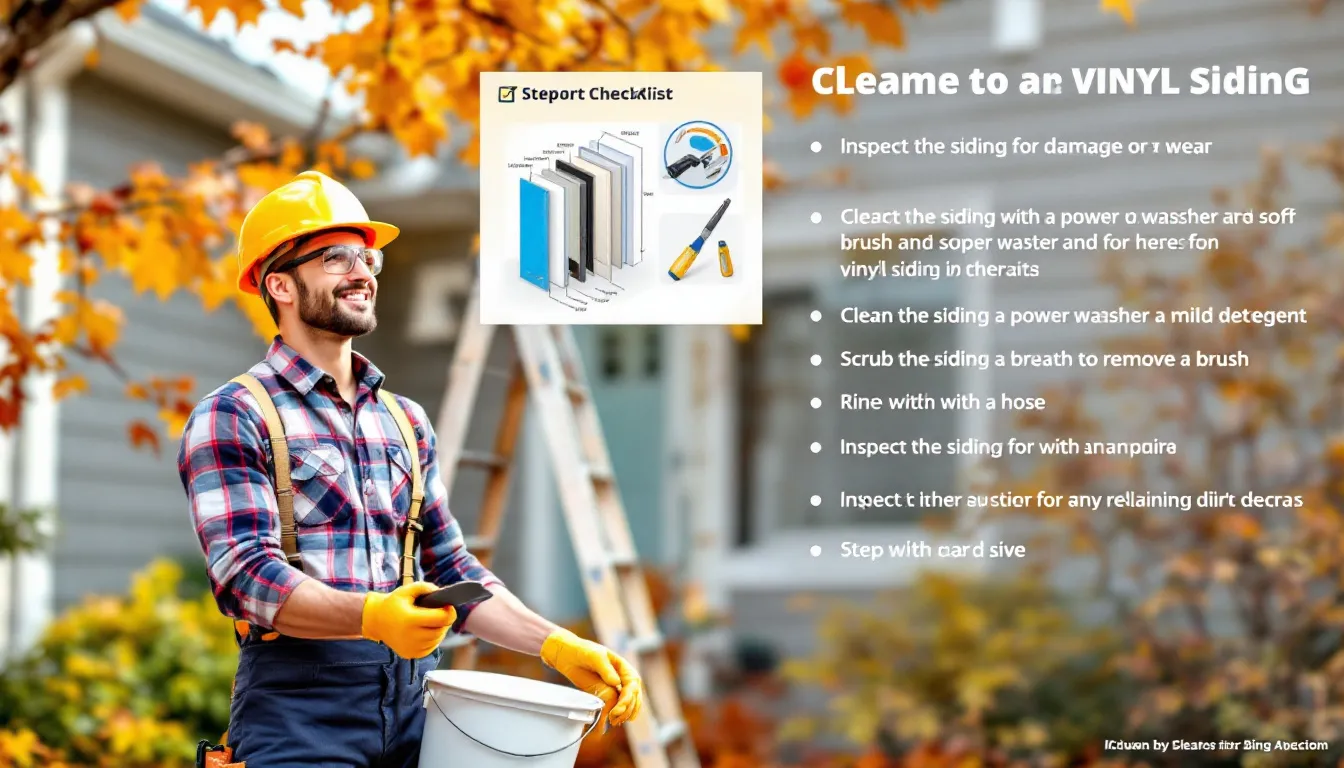
Preparing your vinyl siding for the cold months is key to preserving its longevity and appearance. Regular maintenance, such as cleaning and inspections, helps extend the lifespan of your siding. Before winter, clean your gutters and drainage systems, and check the caulking around penetrations to prevent water intrusion. A little care keeps your siding fresh and functional, especially before harsh winter weather arrives.
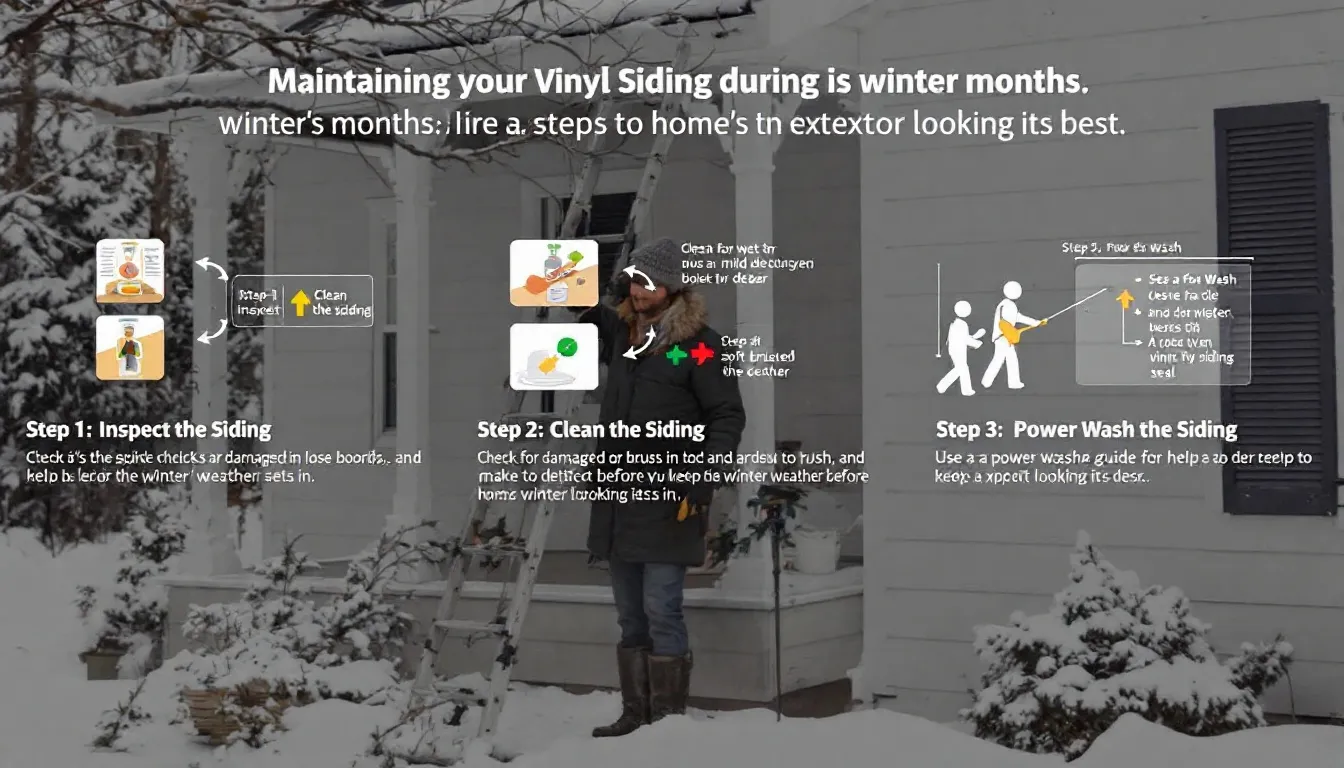
The three critical steps are cleaning your vinyl siding, inspecting for damage, and sealing and caulking. Each step ensures your siding can withstand winter months without preventable damage. Depending on the type of siding material, such as vinyl, fiber cement, or wood, you may need to follow specific preparation steps to address their unique maintenance needs and durability against environmental factors.
Cleaning Vinyl Siding Before Winter
Cleaning your vinyl siding before winter helps prevent mold and mildew, which can cause stains and damage. Use mild soap, warm water, and a soft brush to scrub the vinyl siding, effectively removing dirt and mildew. For stubborn stains, scrub with a bit of water alongside a melamine foam cleaning pad. Avoid using pressure washers, as they can damage the siding’s surface.
Safety gear, a garden hose, a soft brush, and a non-toxic cleaner are essential for the job. Using appropriate cleaning solutions is crucial to effectively maintain the appearance and integrity of your siding. This routine helps ensure it remains in top condition throughout winter.
Inspecting for Damage
Inspect your vinyl siding for damage before winter. Check for loose or cracked panels, especially around windows and doors. Look for caulking failures around these areas to prevent water intrusion. If you find cracked or missing caulk, perform a quick touch-up to maintain the integrity of your siding. Addressing issues promptly can potentially prevent long-term damage.
Regular inspections identify minor issues before they become major problems, extending the lifespan of your siding. Delaying repairs can lead to significant issues impacting your home’s structural integrity. Some repairs may require professional help, especially for complex issues or extensive damage. For instance, dealing with fiber-cement siding often demands specialized tools and techniques that homeowners typically lack.
Sealing and Caulking
Seal seams and joints properly to prevent moisture intrusion. Choose the right sealing solution that expands and contracts without cracking to protect against freeze-thaw cycles.
Emphasizing the importance of proper sealing solutions is crucial to protect against moisture and the effects of freeze-thaw cycles, which can significantly impact the longevity of your siding.
Proper flashing and sealing solutions protect against water intrusion during winter, ensuring the durability of your siding.
Protecting Vinyl Siding from Ice and Snow
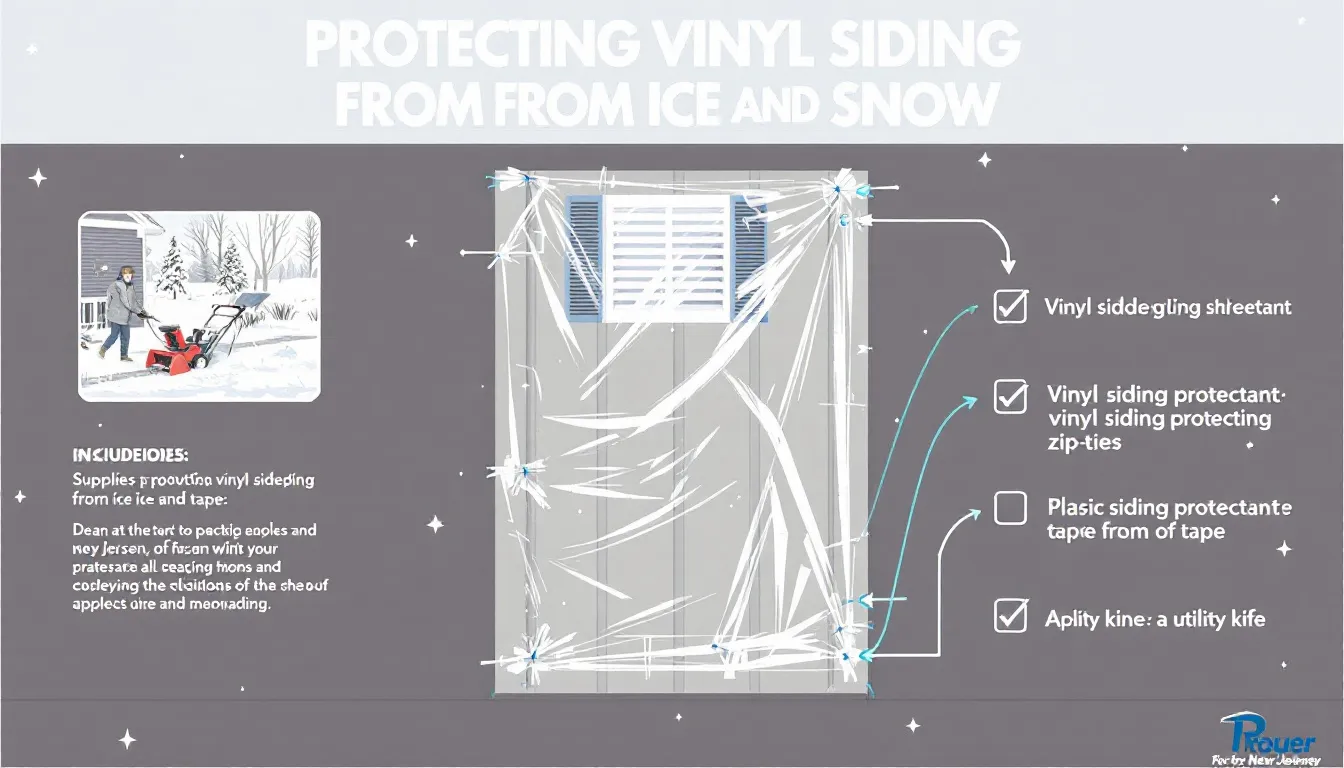
Winter in New Jersey brings unique challenges for homeowners, particularly for protecting the entire home’s exterior from ice and snow. New Jersey homeowners must be vigilant in maintaining their siding to withstand the region’s extreme weather conditions. Use proper snow removal techniques, such as a soft-bristled brush instead of a shovel, and be cautious with snow blowers near the siding to maintain its integrity.
Specific strategies include preventing ice dams, clearing snow buildup, and using safe de-icing products. Additionally, selecting siding materials that can withstand high winds and heavy rain is crucial for ensuring durability and performance. These measures keep your siding in good condition throughout winter.
Preventing Ice Dams
Ice dams form when freezing temperatures cause snow to melt and refreeze at the roof edges, leading to water intrusion and potential siding damage. As ice dams grow, they can exacerbate water intrusion and further damage the siding. Adequate attic ventilation prevents the formation of ice dams.
Proper attic ventilation is crucial in preventing moisture damage, as it allows air to circulate and reduces the buildup of condensation. It helps maintain a consistent roof temperature, reducing the risk of ice dams.
Clearing Snow Buildup
Regularly removing snow from your home’s exterior prevents moisture damage to the siding. Neglecting snow removal can lead to moisture buildup and potential damage. A soft broom safely removes snow from vinyl siding without causing scratches.
A regular snow removal routine significantly prolongs the life of your siding. Clear snow after each snowfall to prevent long-term damage.
Using Safe De-Icing Products
Select de-icing products labeled safe for vinyl siding to prevent discoloration and deterioration. Harsh chemicals in some de-icing products can discolor or damage vinyl siding.
Opt for de-icing products safe for vinyl to maintain your siding’s appearance and integrity.
Addressing Winter Weather Damage
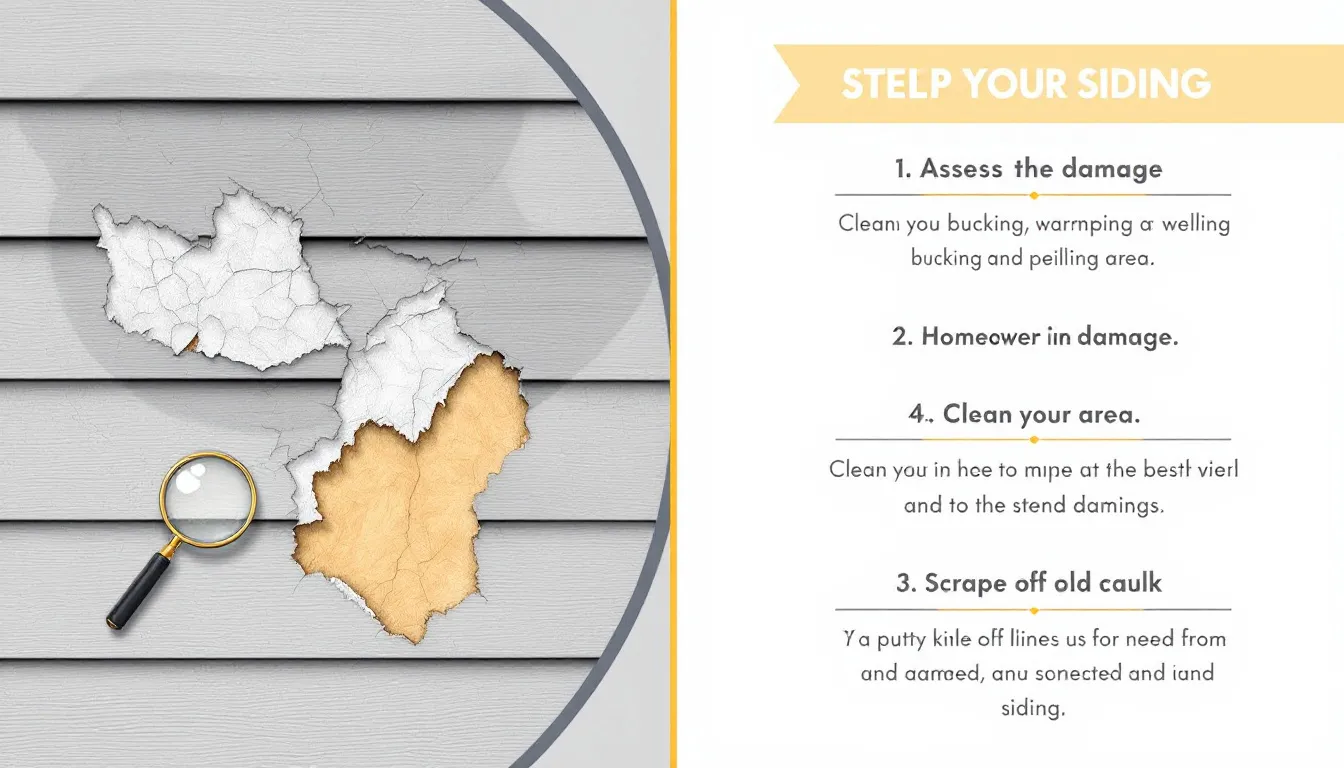
Winter weather can damage vinyl siding, making regular inspections and prompt repairs essential. Heavy snow can pressure siding, risking sagging or breaking and may wreak havoc on the structure. Promptly addressing damage prevents more severe structural issues. Timely repairs can significantly extend the lifespan of your siding for years.
Identifying water damage, repairing cracks and holes, and replacing damaged panels are crucial for maintaining your siding’s structural integrity and appearance throughout winter. Well-maintained siding can last for decades, even in challenging weather conditions.
Identifying Water Damage
Signs of moisture damage include warping, bubbling, and loose sections. Freeze-thaw cycles can widen cracks in the siding, creating entry points for water. Identifying water damage early prevents further complications and costs in maintaining your siding. Compared to wood siding, which requires regular treatments to prevent rot and other water-related issues, vinyl siding is generally lower maintenance but still needs prompt attention to any signs of water damage.
Addressing water intrusion signs promptly maintains your siding’s structural integrity and appearance. Warped panels, moisture stains, and widespread fading indicate the need for professional siding repair.
Repairing Cracks and Holes
Vinyl siding repair kits are designed for easy application to small damages. Matching exterior caulk can fill small holes in vinyl siding. Snap loose vinyl siding panels back into place.
Compared to vinyl, aluminum siding, known for its lightweight nature and rust resistance, also has its own set of repair needs. While vinyl siding can be easily patched with caulk and snap-in panels, aluminum siding may require more attention due to potential corrosion, especially in coastal areas with salt exposure. This can lead to maintenance challenges over its average lifespan of 30 to 50 years.
It might be wise to consult a professional for certain repairs to ensure the job is done correctly and to prevent further issues.
Technicians use specialized vinyl patching compounds for cracks and small punctures. These DIY projects help manage minor repairs and maintain your siding’s appearance.
Replacing Damaged Panels
Severely damaged vinyl siding requires replacing entire sections for a uniform look and to prevent further issues. If significant damage is isolated, professional contractors will replace only the affected panels, or they may suggest installing new siding or repairing the existing siding.
Promptly replacing damaged panels maintains your home’s exterior appearance and functionality. It is crucial to hire experienced professionals for this task to ensure the longevity and reliability of the siding.
Maintaining Curb Appeal During Winter

Maintaining curb appeal during winter can be challenging but is crucial for preserving your home’s value and aesthetic appeal. Cleaning the siding prevents mildew, paint deterioration, and stains over winter. Regular cleaning helps avoid damage and prolongs the lifespan of vinyl siding. Additionally, regular cleaning can enhance property value by keeping the exterior looking its best.
Regular cleaning routines, touch-up paint and finishes, and strategies for enhancing aesthetic appeal ensure homeowners’ whole house remains aesthetically pleasing even in harsh winter conditions through proper maintenance of the home’s exterior. While vinyl siding is relatively easy to maintain, wood siding requires more specialized care to prevent issues like rot. Proper maintenance of wood siding, including regular sealing and painting, can significantly extend its lifespan and keep it looking beautiful. Well-maintained siding can command a better price on the market, making it a sound financial investment for homeowners.
Regular Cleaning Routine
Keeping vinyl siding clean during winter enhances your home’s exterior appeal. Regular cleaning prevents dirt buildup that affects your siding’s appearance. Scrubbing the siding to remove grime is essential, especially in coastal areas of New Jersey where environmental factors contribute to grime buildup. Certain cleaning methods work great for maintaining vinyl siding, especially when done on milder winter days to prevent cleaning solutions from freezing.
A consistent cleaning routine helps you avoid significant future repairs. Regular cleaning also prevents grime buildup, which can lead to mold, mildew, and potential damage. Use mild soap and a soft brush to tackle tough stains and stubborn stains without damaging the siding.
Touch-Up Paint and Finishes
Choose a paint that matches the original color for effective touch-ups. Touch-up paint on worn areas keeps your siding looking uniform.
Weather-resistant paints for touch-ups improve durability against winter weather conditions, providing added protection against factors like rot, fire, UV rays, and extreme weather.
Enhancing Aesthetic Appeal
Maintaining your home’s aesthetic appeal during winter is crucial for curb appeal and value. Enhance aesthetic appeal with thoughtful decoration that complements your siding without causing damage. Schedule regular cleaning sessions during winter to remove dirt and debris from your siding.
Regular maintenance is essential for protecting your home’s exterior from the harsh winter weather. Touch-up paint on worn-off areas maintained a uniform appearance. These efforts ensure your home remains attractive and inviting throughout winter.
Professional Help for Winter Maintenance
Maintaining vinyl siding during winter sometimes requires professional help. Homeowners should request professional services for extensive siding damage that requires expertise and specialized tools. Indicators for professional help include moisture damage, salt corrosion, and freeze-thaw cycle issues.
Hiring contractors familiar with local building codes is crucial. They ensure compliance with regional regulations and proper installation, significantly impacting the quality and durability of siding work.
Signs you need professional attention, tips for choosing the right contractor, and the benefits of professional inspections will help you make informed decisions about maintaining your siding.
Signs You Need Professional Attention
Persistent stains, extensive damage, and safety concerns indicate the need for professional vinyl siding cleaning. Avoid waiting for visible damage before inspecting your siding. Schedule professional siding inspections annually in the spring after winter.
Before attempting any repairs, it is crucial to document the damage thoroughly. Taking comprehensive photos and videos, along with noting pertinent details, can significantly strengthen insurance claims and facilitate smoother recovery from storm-related damage.
Professional contractors offer complex repairs and advice on repair or replacement options. When selecting an emergency repair service, check for 24-hour response capabilities and experience with the siding material.
Choosing the Right Contractor
Choosing the right contractor ensures the quality and longevity of your high quality vinyl siding. Get multiple estimates to compare prices and services effectively. Verify the contractor is licensed and insured to protect against liabilities.
It is crucial to select a contractor with experience and knowledge of siding materials to ensure proper installation and maintenance. Check testimonials and ratings online to gauge customer satisfaction and contractor reliability. This due diligence helps you select a reliable professional for your siding project.
Benefits of Professional Inspections
Professional inspections identify potential issues early and extend the lifespan of your siding. Timely inspections identify issues before they become major problems.
Regular inspections can save you money by preventing costly repairs down the line.
Inspect each spring and fall to keep your siding in optimal condition.
Summary
In summary, maintaining your vinyl siding during New Jersey winters involves a combination of regular cleaning, thorough inspections, and prompt repairs. Preparing your siding before winter, protecting it from ice and snow, addressing weather-related damage, and maintaining curb appeal are all crucial steps. Professional help can also play a vital role in ensuring your siding remains in top condition. The best way to handle extensive damage or specialized materials is to seek professional help, as experts have the right tools and knowledge to address complex repairs effectively.
By following these guidelines, you can ensure that your home’s exterior retains its beauty and functionality throughout the harsh winter months. Take proactive steps today to protect your vinyl siding and enjoy peace of mind knowing your home is well-maintained.
Frequently Asked Questions
How often should I clean my vinyl siding during winter?
Cleaning your vinyl siding at least once before winter and again during milder winter days is crucial for preventing dirt buildup and maintaining its appearance. Regular maintenance ensures your siding remains in good condition throughout the season.
Can I use a pressure washer to clean my vinyl siding?
Using a pressure washer on vinyl siding is not recommended, as it can cause damage. Opt for mild soap, warm water, and a soft brush for safe and effective cleaning.
What are the signs of water damage to look out for in vinyl siding?
Signs of water damage in vinyl siding to watch for include warping, bubbling, loose sections, moisture stains, and significant fading. Addressing these issues promptly can prevent further damage to your home.
When should I seek professional help for my vinyl siding?
Seek professional help for your vinyl siding when you notice persistent stains, significant damage, safety concerns, or find maintenance tasks overwhelming. Taking timely action can prevent further issues and preserve your home’s appearance.
How do I choose the right contractor for vinyl siding repairs?
To choose the right contractor for vinyl siding repairs, obtain multiple estimates, ensure they are licensed and insured, and review online testimonials to assess their reliability and customer satisfaction. This approach will help you make an informed decision.